One-shotting a Raccoon Heist Game with Codex + GPT-5.6 Sol Ultra: Results Beat Claude Fable 5
Score
70提供了一组前沿模型在同任务下的直接对比,包含可复现的提示和成本估算,信息增量明显。
出自资深技术作者之手,事实清晰、过程完整,但缺少对模型失败原因的深入分析。
对使用编码智能体生成完整项目的开发者有直接参考价值,尤其是 bug 修复路径和工具建议。
涉及最新模型版本的实测,发布时间接近当前信息周期,具备一定时效性。
Simon Willison 是知名且可信的技术博主,信息源可靠,且附有可验证的仓库与转录。
Base 78 × T2 Source weight ×0.9 = 70
Curation line 70Selected
Why selected
A hands-on comparison by a leading AI researcher, with reproducible prompts and full transcripts, offering high informational gain and practical reference value.
AI commentary
「This type of side-by-side test of different agents with the same prompt reveals more about real development experience than vendor demos. If you're choosing a coding agent or planning multi-agent workflows, this result is worth a close look; especially Sol's sub-agent mode in complex game generation, and the fact that it still missed a visual glitch during screenshot review — both are meaningful signals about capability boundaries.」
Quick overview
Simon Willison ran the exact same prompt on Codex Desktop's GPT-5.6 Sol Ultra (with aggressive sub-agent use) to build a full game from a four-year-old GPT-3 concept. The result, Moonlight & Mayhem, puts you in control of raccoons in a museum, rescuing teammates and stacking up to steal the Golden Sardine — much closer to the original heist premise than Claude Fable 5's version. The initial output had a bug where each raccoon's eyeball was enlarged into a giant black sphere floating overhead, but a simple follow-up prompt fixed it. The entire process took 52 minutes, with Codex also generating textures and assets along the way.
- Codex Desktop + GPT-5.6 Sol Ultra produced a noticeably better heist-themed game, Moonlight & Mayhem, from the identical prompt
- The gameplay evolved from 'collecting coins in a backyard' to 'rescuing crewmates and stacking up to steal the Golden Sardine', staying truer to the original Raccoon Heist concept
- The first pass had a visual bug where raccoon eyeballs became giant black spheres, which Codex failed to spot but the user fixed with two quick prompts
- Codex took 52 minutes to finish the project and generated textures and images along the way; the full transcript was published
Full text
Showing the source text; the full translation is being generated.
Moonlight & Mayhem (Raccoon Heist by Codex + GPT-5.6 Sol Ultra)
On Wednesday I wrote about One-shotting a Raccoon Heist game using Claude Fable 5, where I had Claude Fable 5 build a full working game from a premise I generated with GPT-3 and DALL-E four years ago.I decided to pose the exact same prompt to Codex Desktop running GPT-5.6 Sol Ultra - the mode where Sol makes aggressive use of sub-agents - to see how it would do.
It produced a much better game! Here's Moonlight & Mayhem - GitHub repository here, including the textures and prompts it generated using gpt-image-2.
Your browser does not support HTML5 video.
The original GPT-3 generated game description included:
In “Raccoon Heist”, you and your team of thieving raccoons are tasked with pulling off a series of daring heists. From robbing banks to stealing priceless art, no job is too big or too small for your furry crew.
Fable's version had you as a single raccoon running around a back yard collecting coins and fish. GPT-5.6 Sol has you in a museum, rescuing your two other raccoon crewmates in order to stack on top of each other and bust the golden sardine out of its case.
Much more heisty!
There was one catch though: the version produced from the one-shot prompt had a bug where each raccoon had an eyeball that was enlarged to the size of a giant sphere floating over their head!
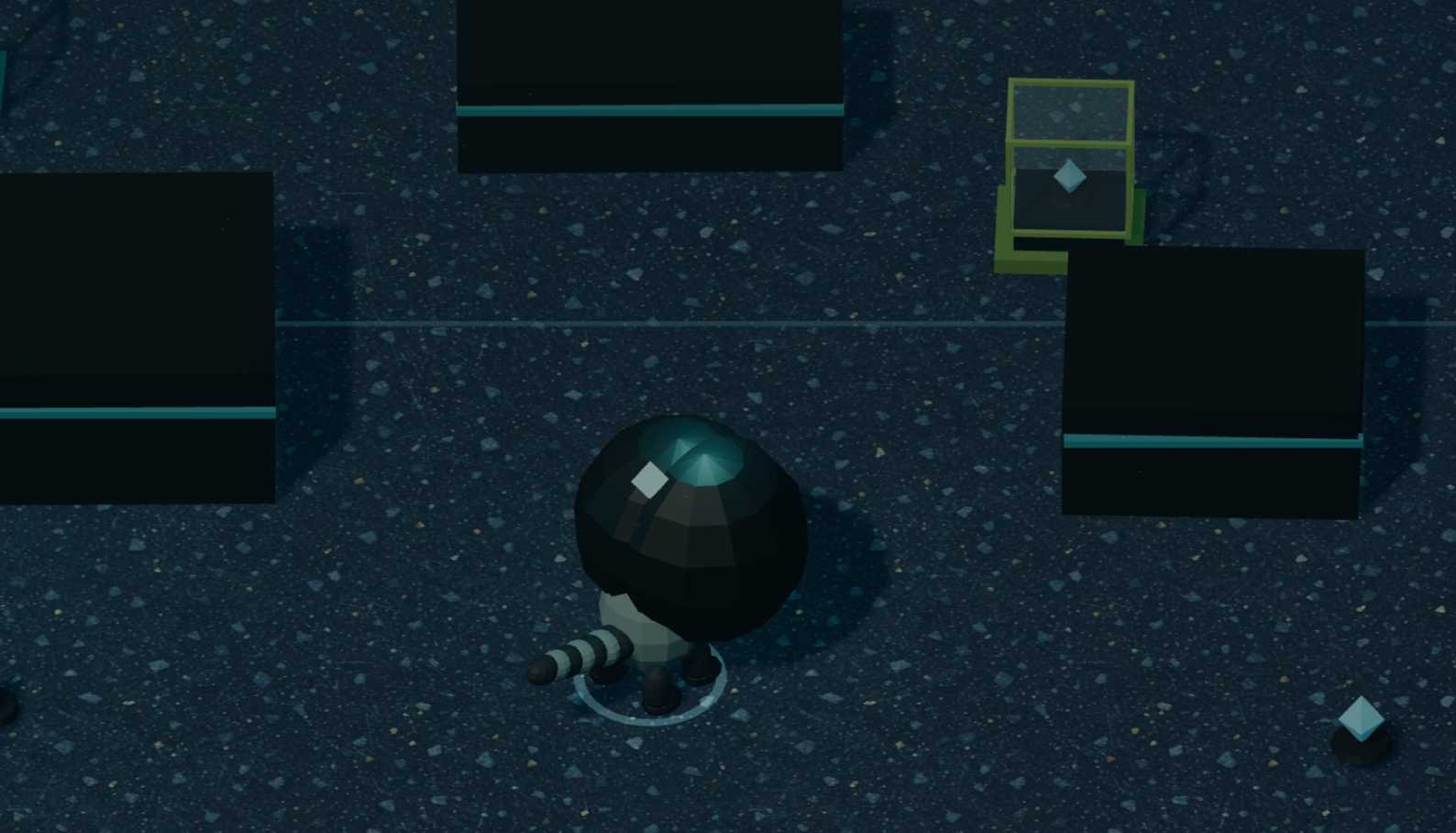
You can play that version here.
Despite reviewing screenshots during development Codex failed to spot and correct this bug.
I fixed it by prompting:
Why do the raccoons have huge black spheres on them?
And then:
Fix it
Which resulted in this fix.
I shared the full Codex transcript in the repository - I wish Claude Code had the same "copy as Markdown" feature.
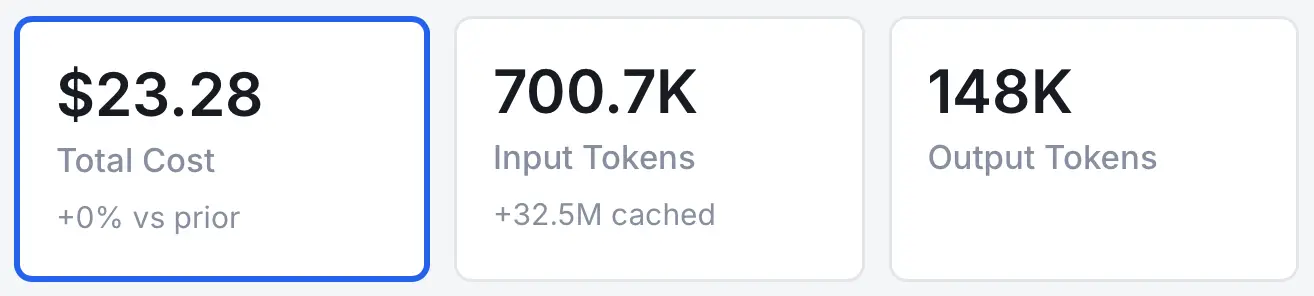
Codex spent 52 minutes on the project. Here's the AgentsView cost estimate for that session if I had been paying full API prices as opposed to using my monthly Codex subscription:
Tags: game-design, ai, openai, generative-ai, llms, coding-agents, codex, gpt
Related items
92
FeaturedOpenRouter Launches Prompt Caching with Sticky Routing to Drastically Reduce Multi-Turn Costs
OpenRouter 推出提示缓存与粘性路由,大幅降低多轮对话成本
For developers making frequent AI API calls, this feature is a direct money-saver. Sticky routing guarantees cache hit rates, and session_id requires zero configuration—every OpenRouter user should try it immediately.
91
FeaturedChatGPT Work: An AI Agent That Takes Action Across Apps and Files
ChatGPT Work:可在跨应用和文件中执行操作的AI Agent
I think this is a key step for AI assistants moving from Q&A to execution. Especially noteworthy for professionals who need to automate complex workflows. ChatGPT Work could become a new paradigm for productivity tools.
90
FeaturedAnatomy of a Frontier Lab Agent Intrusion: A Technical Timeline of the July 2026 Incident
前沿实验室代理入侵事件技术时间线:2026年7月事件剖析
This technical timeline is a must-read for all AI security researchers and agent developers—it doesn't just describe one attack but sounds an alarm on the weak defense systems of agent architectures. For teams deploying autonomous agents, this is an essential disaster prevention manual.
90
FeaturedBetter Tools Made Copilot Code Review Worse? Here's How GitHub Improved It
更好的工具反而让Copilot代码审查更糟?GitHub这样改进
This blog post deserves close reading by all AI product engineers and ML practitioners—it breaks the intuition that 'more powerful tools = better AI' and instead emphasizes an engineering philosophy aligned with agent reasoning patterns. Especially important for teams optimizing code review or similar agent-based products.
88
FeaturedOpenRouter Launches Unified Multimodal API: Single Endpoint for Image, Video, Audio, Embeddings, and Transcription
OpenRouter 推出统一多模态 API:单端点支持图像、视频、音频、嵌入与转录
This news is worth attention from all developers building multimodal AI applications: OpenRouter's unified API solves the pain of model switching, especially for startups or rapid prototyping. If you're struggling with multiple API keys and SDKs, this interface could be the unified layer you need.
87
FeaturedAnthropic Launches Claude for Teachers: AI Tools Designed for Educators
Anthropic 推出 Claude for Teachers:面向教师的教育 AI 工具
This announcement is valuable for educators and AI industry watchers alike. Instead of a generic chatbot, Anthropic designed a safety-first tool specifically for teachers, demonstrating the right approach for AI vertical deployment: solving real pain points rather than showing off technology. The built-in guardrails also set a reference for other AI companies, especially when serving scenarios involving children or teenagers.
86
FeaturedOpenRouter Introduces New Auto Router: Model Routing Powered by Market Wisdom
OpenRouter发布全新Auto Router:用市场智慧优化模型路由
This update is worth attention for anyone using APIs to build AI apps. Instead of guessing or testing model selection, market data now does the heavy lifting. Though sparse on details, the direction is right, especially for teams relying on aggregated model services.
86
FeaturedClaude Code v2.1.211 Release: Multiple Fixes and Improvements
Claude Code v2.1.211 发布:多项修复与改进
As a developer who frequently uses Claude Code for automated coding, I'm particularly interested in the security fixes, especially the permission preview character bypass and auto mode overriding hook decisions—these directly affect the security boundaries during team collaboration. The improvement in background agent reporting also makes long-running tasks more reliable. I recommend all users upgrade as soon as possible.